
The Complete Guide to Early Childhood Learning Lifelong Success
A practical, research-based guide for parents, teachers, and preschool owners to choose the right early learning approach.
Where Strong Beginnings Create Successful Futures
The first five years of a child’s life are not just “early years” — they are the foundation years. These are the years when the brain grows fastest, when emotions take root, and when confidence, curiosity, and character begin to form. What a child experiences during this stage silently shapes how they think, how they communicate, how they handle challenges, and how they see the world as adults. This is why high scope learning and high scope education focus on the whole child, not just academics.
Many parents and schools are forced to choose early learning methods without clarity. Some follow tradition. Some follow trends. Others simply choose what is nearby or affordable. Very few are guided by a true understanding of how children actually learn best.

The Five Core Pillars of Successful Early Childhood Learning
Cognitive Development
This pillar focuses on how children think, reason, remember, and solve problems. Through high scope curriculum activities and high scope activities, children build critical thinking, strengthen memory, learn to solve challenges creatively, and develop the confidence to make decisions independently.
Cognitive Development
This pillar focuses on how children think, reason, remember, and solve problems. Through high scope curriculum activities and high scope activities, children build critical thinking, strengthen memory, learn to solve challenges creatively, and develop the confidence to make decisions independently.
Social Development
Social growth helps children learn how to interact positively with others. Through cooperation, sharing, turn-taking, mutual respect, and conflict resolution supported by high scope large group activities, children build strong interpersonal and communication skills.
Cognitive Development
This pillar focuses on how children think, reason, remember, and solve problems. Through high scope curriculum activities and high scope activities, children build critical thinking, strengthen memory, learn to solve challenges creatively, and develop the confidence to make decisions independently.
Language & Communication
Language development allows children to express ideas, connect with others, and engage in learning. Through conversation, storytelling, group interaction, and real back-and-forth communication, children build vocabulary, confidence, and strong communication skills.
Key Features of Modern Early Childhood Learning
1. Modern early childhood learning is no longer about forcing children to sit quietly and memorise information. It is about how children naturally learn through experience, movement, curiosity, and confidence. This is the foundation of high scope learning and the core purpose of high scope education, where the whole child is nurtured, not just academic performance.
2. In the HighScope Early Childhood Curriculum, learning is child-centred, not teacher-centred. Children learn based on their own interests, pace, and curiosity rather than rigid schedules. This is why many parents searching for hands-on learning schools near me prefer schools that follow the High Scope curriculum.
3. Learning through play and exploration is central to modern education. Through high scope curriculum activities and High Scope activities, children develop creativity, problem-solving skills, and social understanding while staying actively engaged.
4. Modern classrooms are built on active participatory learning, where children learn by touching, moving, building, questioning, and experimenting instead of passively listening. This approach is especially powerful in early childhood STEM preschool programs.
5. Emotional safety always comes first. A secure and loving environment allows children to feel confident, respected, and free to express themselves. This is the heart of an effective early childhood social-emotional curriculum and the emotional base of the best early childhood curriculum.
6. Life skills are valued as highly as academics. Children develop communication skills, emotional intelligence, decision-making ability, social confidence, and independence through creative hands-on early learning experiences that connect learning to real life.
7. Mistakes are treated as learning opportunities. Children are encouraged to try, fail, and try again without fear of punishment or embarrassment. This mindset strengthens confidence, resilience, and true understanding through hands-on mathematics for deep learning and daily discovery.
8. Every child’s learning pace is respected. Modern education avoids unhealthy competition and comparison, allowing both fast and slow learners to grow confidently within the high scope curriculum framework.
9. Teachers act as guides and facilitators rather than controllers. They observe, support, ask thoughtful questions, and gently guide learning instead of directing every action. This approach strengthens both independence and trust in high-quality at-home and classroom learning.
10. A strong parent–teacher partnership is a key pillar of modern early education. Parents remain actively involved through regular communication, shared goals, and continuous support, strengthening learning both at school and High Scope at home.
How Children Actually Learn Best
Children learn best when their natural curiosity, energy, and emotions are truly honored through the HighScope approach and active, participatory learning—never restricted by rigid routines or unnecessary pressure. In emotionally safe and supportive environments created by a strong early childhood social-emotional curriculum, children develop confidence, independence, and a positive sense of self. Because every child is unique, the HighScope Early Childhood Curriculum respects individual learning styles, pace, strengths, interests, and emotional needs. True education is not about controlling children, but about guiding and inspiring them both in the classroom and through meaningful HighScope at-home support.
As children learn to share, cooperate, express their feelings, and build empathy, their social and emotional strengths naturally grow. At the same time, physical skills and self-confidence develop through movement, coordination, and exploration in hands-on learning environments that follow the HighScope philosophy.
Role of Teachers, Parents & Environment

When children truly flourish, it is never because of one single influence, but because of a warm, supportive ecosystem created by teachers, parents, and the learning environment working together with care and respect, helping children feel safe, valued, and confident to explore. Teachers design rich, open-ended learning spaces using HighScope curriculum activities that encourage choice, independence, curiosity, creativity, and real problem-solving, while gently scaffolding learning at the right moments to strengthen both thinking and confidence. Parents and families, as the first and constant teachers, nurture learning by showing interest in their child’s ideas, encouraging play, discovery, and exploration at home, and providing a loving, emotionally secure foundation that supports social and emotional growth. The environment itself acts as an invisible teacher, with safe, welcoming, child-friendly classrooms filled with culturally relevant, hands-on materials and thoughtfully organised spaces that allow children to move freely, choose activities, experiment confidently, and collaborate meaningfully through large-group and independent experiences.
Early Learning Curriculum vs Traditional Rote Learning
In a modern early learning curriculum, children are nurtured as whole human beings—curious, capable, creative, and confident. This approach focuses on how children naturally learn through exploration, play, and meaningful experiences. Below is a clear comparison with traditional rote learning:
Learning Approach
Teaching Style
Student Engagement
View of Mistakes
Measurement of Success
Connection to Real Life
What “Modern Early Learning” Means for Children — and Families
Modern early learning is no longer about rote memorisation, rigid schedules, or comparing one child to another. Today’s families are seeking learning environments that nurture curiosity, confidence, creativity, and real-world skills from the earliest years. This shift has brought renewed attention to high scope learning and active participatory learning, two powerful approaches that place children at the centre of their own development.
In a world that demands problem-solvers, communicators, innovators, and emotionally resilient individuals, the HighScope Early Childhood Curriculum is increasingly recognised as one of the best early childhood curriculum models for preparing children for lifelong success.
The Philosophy Behind Modern Early Learning
Modern early learning is grounded in the belief that children learn best by doing, not by passive instruction. Rather than sitting quietly and memorising facts, children thrive when they explore, ask questions, make choices, and reflect on their experiences. This is the heart of active participatory learning.
Understanding the HighScope Early Childhood Curriculum
The HighScope Early Childhood Curriculum is a research-based educational framework designed to support children from infancy through preschool. Its foundation rests on children’s natural desire to explore the world and construct knowledge through hands-on experiences.
The Role of High Scope Curriculum Activities
High scope curriculum activities are intentionally designed to promote development across all learning domains—cognitive, physical, social, emotional, and creative.
Early Childhood STEM Preschool Through HighScope
Modern families also want strong academic foundations, particularly in science, technology, engineering, and math. An early childhood STEM preschool built on the highscope early Childhood Curriculum offers the best of both worlds: strong academics through play-based exploration.
Emotional Growth Through an Early Childhood Social Emotional Curriculum
Academic success alone does not guarantee lifelong success. Emotional intelligence, empathy, and social confidence are equally crucial. That is why a strong early childhood social-emotional curriculum is a defining feature of modern early learning.
Role of Teachers, Parents & Environment
1. In the USA, strong early education begins with skilled teachers. In high scope learning and high scope education, teachers are more than instructors — they are guides, partners, and mentors who shape confident learners within the HighScope Early Childhood Curriculum.
2. Teachers listen and observe closely to understand each child’s needs and interests. They support natural curiosity through meaningful high-scope curriculum activities and hands-on high-scope activities that encourage discovery and independence.
3. Teachers offer play-based, hands-on experiences that strengthen thinking, creativity, and confidence through active participatory learning and early childhood STEM preschool methods.
4. Teachers gently scaffold learning, helping children move from what they already know to what they are ready to discover through the High Scope curriculum.
5. Parents and family are the child’s first teachers, both at school and through HighScope at home. When parents show genuine interest in their child’s day, thoughts, and experiences, learning becomes deeper and more meaningful.
6. Parents encourage curiosity and play at home using creative hands-on early learning principles, while also providing emotional safety, care, and steady encouragement that strengthens the early childhood social-emotional curriculum.

How Preschools Implement a Successful Learning System
Preschools that implement a successful learning system do far more than deliver lessons — they create an environment where children grow naturally through experience, trust, and discovery. At HighScope Early Learning Curriculum, schools across the USA combine a structured yet flexible program with high scope learning, a supportive child-centred environment, and strong collaboration between teachers, parents, and caregivers. Using high scope curriculum activities, active participatory learning, and a nurturing early childhood social-emotional curriculum, children learn through real-life exploration, guided play, and meaningful interaction. This balanced approach, supported both in the classroom and through HighScope at home, ensures learning is joyful, consistent, and deeply connected to each child’s individual pace and potential.
What the System Looks Like in Real Life
1. In real classroom life, preschools following High Scope learning and the High Scope Curriculum offer a well-rounded program that supports cognitive, social, emotional, physical, language, and creative development — not just academics. Daily routines include free exploration, guided play, group time, individual activities, outdoor play, and reflection. Through high scope curriculum activities and high scope activities, children plan what they want to do, carry it out, and reflect on their learning, building early decision-making, independence, and responsibility through active participatory learning.
2. Teachers work as guides rather than dictators within the HighScope Early Childhood Curriculum. They carefully observe each child, understand individual interests and developmental readiness, and gently scaffold learning by giving support when needed and space when children are ready to explore independently. Through hands-on experiences used in early childhood STEM preschool and hands-on mathematics for deep learning, children think, experiment, communicate, and create instead of memorising.
3. The learning environment is designed to feel safe, inspiring, and welcoming, similar to a second home. Materials are open-ended, engaging, and suited to children’s ages and interests to support creative hands-on early learning. Emotionally safe spaces built on the early childhood social emotional curriculum allow children to try, make mistakes, ask questions, and grow confidently at their own pace in what many families seek as hands-on learning schools near me.
4. Families and caregivers are treated as true learning partners through highscope at home. Schools encourage parents to stay involved, communicate regularly, and reinforce learning beyond the classroom. This strong connection between school and home builds emotional security, trust, and consistency, while strengthening confidence, empathy, and independence through shared learning experiences and high scope large group activities.
Benefits for Parents, Teachers & Schools
1. A successful early learning system not only shapes children. It brings powerful benefits to parents, teachers, and schools as a whole. When everyone works together with the child at the centre, growth becomes natural, joyful, and long-lasting.
2. A successful early learning system shapes not only children but also strengthens parents, teachers, and schools together. Through high scope learning and high scope education, growth becomes natural, joyful, and long-lasting when everyone works with the child at the centre.
3. Teachers thrive when their role is respected and supported within the HighScope Early Childhood Curriculum. They build meaningful relationships with children through high scope curriculum activities and active participatory learning, allowing them to teach with creativity instead of pressure.
4. Teachers confidently observe real progress in children’s emotional, social, and cognitive development through the early childhood social-emotional curriculum, while guiding thinking and discovery using high scope activities.
5. Working within the high scope curriculum also supports teacher confidence, professional growth, and long-term job satisfaction by allowing them to see true learning unfold every day.
6. Schools that implement high scope learning gain higher parent trust and long-term satisfaction because families can clearly see the benefits of best early childhood curriculum practices in daily classroom life.
7. Student engagement and retention improve in schools that follow high scope education and early childhood STEM preschool methods focused on exploration, problem-solving, and hands-on discovery.
8. Strong academic and developmental outcomes are achieved through hands-on mathematics for deep learning, play-based instruction, and real-world application rather than memorisation.
Real-Life Success Stories & Outcomes
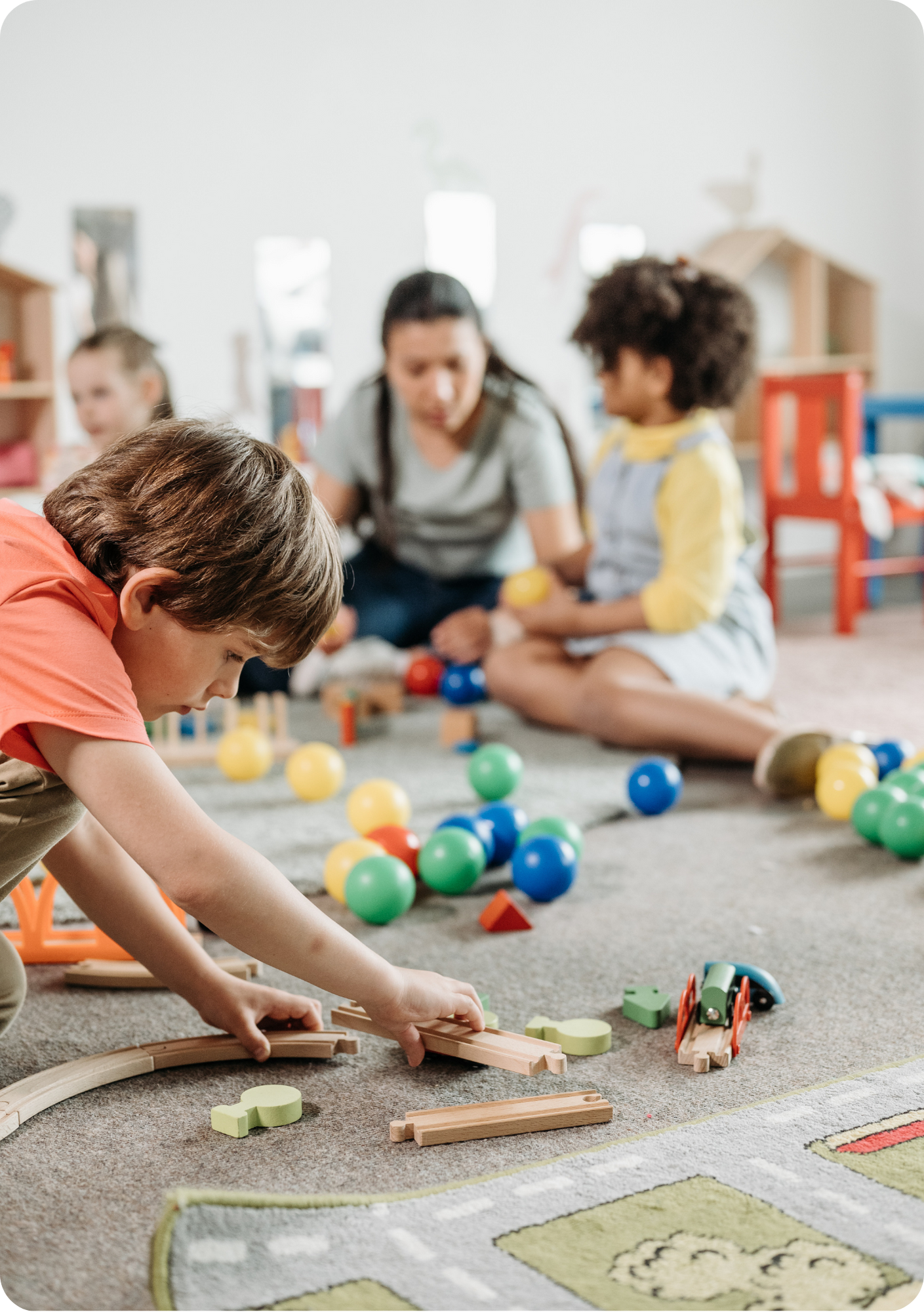
When early learning is done with care, intention, and respect, the results speak for themselves. Across the USA, families and schools working with HighScope Early Learning Curriculum consistently see powerful, life-changing outcomes through HighScope learning and HighScope education. Children educated through the HighScope Early Childhood Curriculum grow into confident, curious, and capable learners who are excited about discovery rather than afraid of mistakes. Through high scope curriculum activities, active participatory learning, and a strong early childhood social-emotional curriculum, children develop not only academic readiness but also emotional strength, communication skills, independence, and empathy. Schools using the High Scope curriculum report stronger parent trust, better engagement, and long-term student success, while families experience the joy of watching their children thrive both in school and through High Scope at home. These outcomes go beyond grades — they shape resilient, creative, and compassionate individuals prepared for lifelong learning and real-world success.
HighScope Early Learning Curriculum
At HighScope Early Learning Curriculum, we believe that the early years shape a child’s entire future. Our mission is to support preschools, educators, and families with a powerful, research-based, child-centred learning approach that nurtures every aspect of a child’s growth.
We focus on helping schools move beyond traditional rote learning and into modern, active, and meaningful education where children learn by doing, exploring, questioning, and discovering with confidence and joy.
About HighScope Early Learning Curriculum
HighScope Early Learning Curriculum is dedicated to transforming early childhood education through a structured yet flexible learning system that respects the individuality, pace, and potential of every child. Rooted in high scope learning and high scope education, our approach is built on active participatory learning, where children learn best by doing, exploring, questioning, and discovering through meaningful experiences.
Our Educators
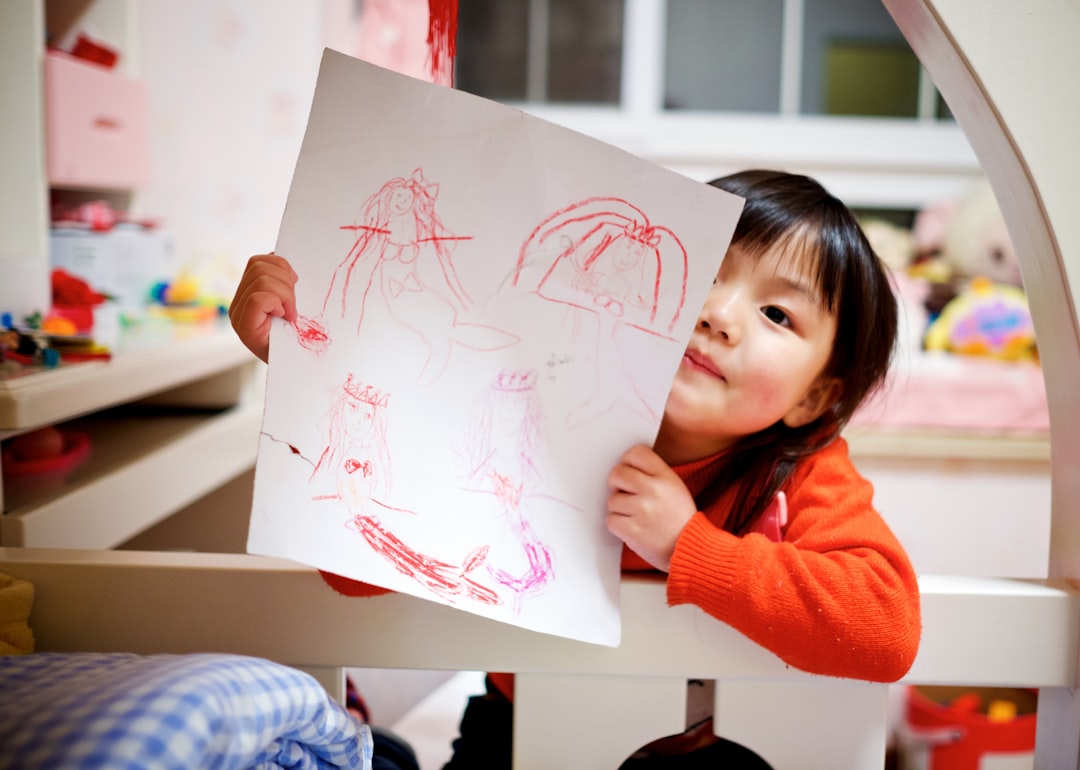
We foster a nurturing learning environment that encourages curiosity and builds confidence in every child while supporting healthy decision-making and independence from an early age. By creating a safe and emotionally secure space, we help children feel valued, understood, and ready to explore. Strong teacher-child relationships are at the heart of our approach, allowing each child to thrive socially and emotionally. Through thoughtfully designed activities, we also promote creativity, communication, and essential social skills that prepare children for lifelong success.Our Services
At HighScope Early Learning Curriculum, we support schools across the USA that want to move beyond memorisation-based teaching and create classrooms where children grow through high scope learning, active participatory learning, and the HighScope Early Childhood Curriculum. We provide a complete early learning solution that supports curriculum, teachers, classrooms, parents, and long-term academic growth.
1. Early Learning Curriculum Implementation
We help schools shift from rote memorisation to a thinking-based, child-centered approach using the HighScope curriculum. By designing developmentally appropriate, engaging activities across all learning domains, we ensure balanced and meaningful early education. Through the plan-do-review routine, children take ownership of their learning, build confidence, and develop strong thinking and problem-solving skills. We support teachers in aligning instruction with clear learning objectives, creating intentional, high-quality classroom experiences. Our approach fosters curiosity, independence, and lifelong learning, transforming classrooms into vibrant spaces where children learn by doing, exploring, questioning, and reflecting.
2. Teacher Training and Development
We train teachers to move beyond worksheets and memorization by using hands-on, real-life experiences that make early childhood STEM learning meaningful and engaging. Through HighScope principles, educators learn to use play, projects, and guided exploration to spark curiosity, problem-solving, and intellectual growth. Our training helps teachers observe children effectively, plan developmentally appropriate HighScope activities, and support social-emotional skills like confidence, communication, and self-regulation. We also strengthen teacher–parent partnerships by offering practical HighScope-at-home guidance. Overall, we equip educators with the skills and confidence to create purposeful, child-centered learning environments that nurture the whole child.
3. Classroom Planning and Learning Environment Design
We design thoughtfully planned, HighScope-inspired classrooms where children can move freely, explore confidently, and learn through purposeful, hands-on activities. Our team helps schools create engaging learning areas—such as reading corners, art zones, block spaces, science tables, and dramatic play areas—to spark curiosity, creativity, and collaboration. We guide educators in selecting open-ended, age-appropriate materials that promote problem-solving, exploration, and early math skills. Each classroom is arranged to be safe, welcoming, and developmentally aligned, nurturing independence, social growth, critical thinking, and a lifelong love of learning.
4. Parent Engagement Support
We help schools build strong partnerships with parents through meaningful communication, collaboration, and shared understanding of each child’s learning journey. By offering simple home strategies, we empower families to support HighScope learning in everyday routines. We also guide schools in organizing parent workshops that explain early childhood development and the value of play-based, child-centered learning. Our approach ensures parents feel informed, involved, and confident, while strengthening appreciation for how HighScope builds independence, problem-solving, and a lifelong love of learning.
5. Ongoing Academic and Operational Support
We provide regular academic guidance to help schools maintain consistently high standards in teaching and learning through the HighScope approach. Our support includes structured lesson planning, effective assessment methods, and detailed classroom observations aligned with the HighScope curriculum. We work closely with educators to address daily classroom and operational challenges during implementation, ensuring smooth and confident delivery. In addition, we offer continuous improvement recommendations based on teacher feedback, school objectives, student progress, and the outcomes of HighScope large group activities, helping institutions refine their practices and achieve measurable, long-term educational success.
Our Blog
Our blog is designed to support parents, teachers, and school leaders with:
Why Choose HighScope Early Learning Curriculum
Choosing the right early learning system is one of the most important decisions for any school or parent. Here is why institutions trust us:
- Research-based and child-centred approach
- Focus on complete child development
- Strong teacher support and training
- Parent partnership model
- Emotional safety and confidence building
- Proven long-term outcomes
- Modern learning over traditional rote systems
What Parents, Teachers, and Schools Say
Parents, educators, and school leaders across the USA consistently share how HighScope Early Learning Curriculum has transformed their classrooms, teaching experiences, and children’s growth. These are not just short-term academic changes — they are meaningful, life-shaping outcomes built through high scope learning, high scope education, and the power of active participatory learning.
Parents’ Experiences: Confidence, Joy, and Real Growth
Many parents first discover us while searching for hands on learning schools in USA because they want more than worksheets and memorisation for their children. What they find instead is a joyful learning environment where children feel safe, confident, and excited about school.
Teachers’ Voices: Confidence, Creativity, and Professional Fulfilment
Teachers often tell us that working within the high scope curriculum has completely changed how they experience teaching. Instead of managing rigid lesson plans and worrying about constant testing, they now focus on observing, guiding, and supporting real learning.
School Leaders’ Experiences: Trust, Reputation, and Long-Term Success
School owners and administrators consistently report that adopting high scope learning brings lasting institutional benefits. Many schools initially adopt the curriculum to improve academic results, but they soon discover that the impact is far deeper
Contact Us
We welcome schools, educators, and parents who want to build stronger foundations for children. If you would like to learn more about our curriculum, training programs, or collaboration opportunities, connect with us today.
Locations We Serve

Frequently Asked Questions
Yes, our curriculum is flexible and can be adapted for different preschool sizes, student strengths, and learning environments. It works well for both new and established schools.
Yes, we provide complete training for teachers along with continuous academic support to ensure smooth and confident implementation in the classroom.
Yes, learning is rooted in active participation, play, exploration, and real-life experiences that make learning meaningful and enjoyable.
It supports cognitive, emotional, social, physical, language, and creative development in a balanced and age-appropriate way.
Absolutely. Children learn early literacy and numeracy through hands-on activities, stories, games, projects, and real-world exploration rather than rote memorization.
Children are assessed through continuous observation, progress tracking, and developmental milestones rather than pressure-based testing.
Yes, every child learns at their own pace. The curriculum respects individual differences and supports both fast and slow learners equally.
We encourage regular communication with parents, sharing progress updates, guidance for home support, and active participation in the child’s learning journey.
Yes, it builds strong foundations in thinking skills, confidence, communication, social behaviour, and independence, which prepare children naturally for formal schooling.
Our curriculum is designed for early childhood and preschool age groups, with adaptable learning strategies for different developmental stages.
The emotionally safe and supportive environment helps shy or anxious children build confidence, express themselves freely, and feel secure at their own pace.
Yes, many schools successfully transition from traditional teaching methods to our modern, child-centred approach with our guided support.
Parents can expect children to grow into confident learners, strong communicators, problem-solvers, and emotionally balanced individuals ready for lifelong success.