
Inspiring Early Learners Through HighScope Education in Seattle

What Is HighScope Learning?
The model, created by the HighScope Educational Research Foundation, grew out of years of careful research into how young children develop and retain knowledge. What researchers found was simple yet powerful: children learn most deeply when they are actively involved in their experiences. Instead of spending long periods just listening, children interact with materials, express their ideas, test possible solutions, and revisit what they have discovered. Throughout this process, teachers remain nearby as supportive partners, offering rich language, steady encouragement, and gentle challenges that extend thinking without taking ownership away from the child.
Why HighScope Fits Seattle Families?
- Seattle families value independence, creativity, and real-world readiness.
- HighScope reflects these priorities by encouraging children to think for themselves while still receiving consistent adult support.
- Parents often notice stronger communication skills.
- Cooperation with peers improves.
- Focus and attention span grow.
- Emotional regulation becomes more consistent.

Experience a HighScope Classroom
The physical environment is a powerful teacher in a HighScope setting. Classrooms are thoughtfully arranged into clearly defined interest areas such as art, block building, reading, and dramatic play, allowing children to understand where activities belong and how to move independently from one experience to another. Materials are displayed on open, reachable shelves so children can select what they need without waiting for adult permission. This simple design choice nurtures ownership of learning, strengthens responsibility, and helps children develop lasting confidence in their ability to make decisions.
The HighScope Learning Schedule
Consistency helps children feel secure. When they know what comes next, they are more willing to explore and take risks.
| Time Block | Purpose | Outcome |
|---|---|---|
| Arrival | Comfort & connection | Smooth transition from home |
| Plan Time | Decision-making | Intentional learning |
| Work Time | Exploration | Problem solving |
| Review | Reflection | Memory & language growth |
| Small Group | Targeted skills | Deeper understanding |
| Large Group | Community | Listening & teamwork |
| Outdoor Play | Movement | Physical strength |
How Children Learn Through HighScope Activities?
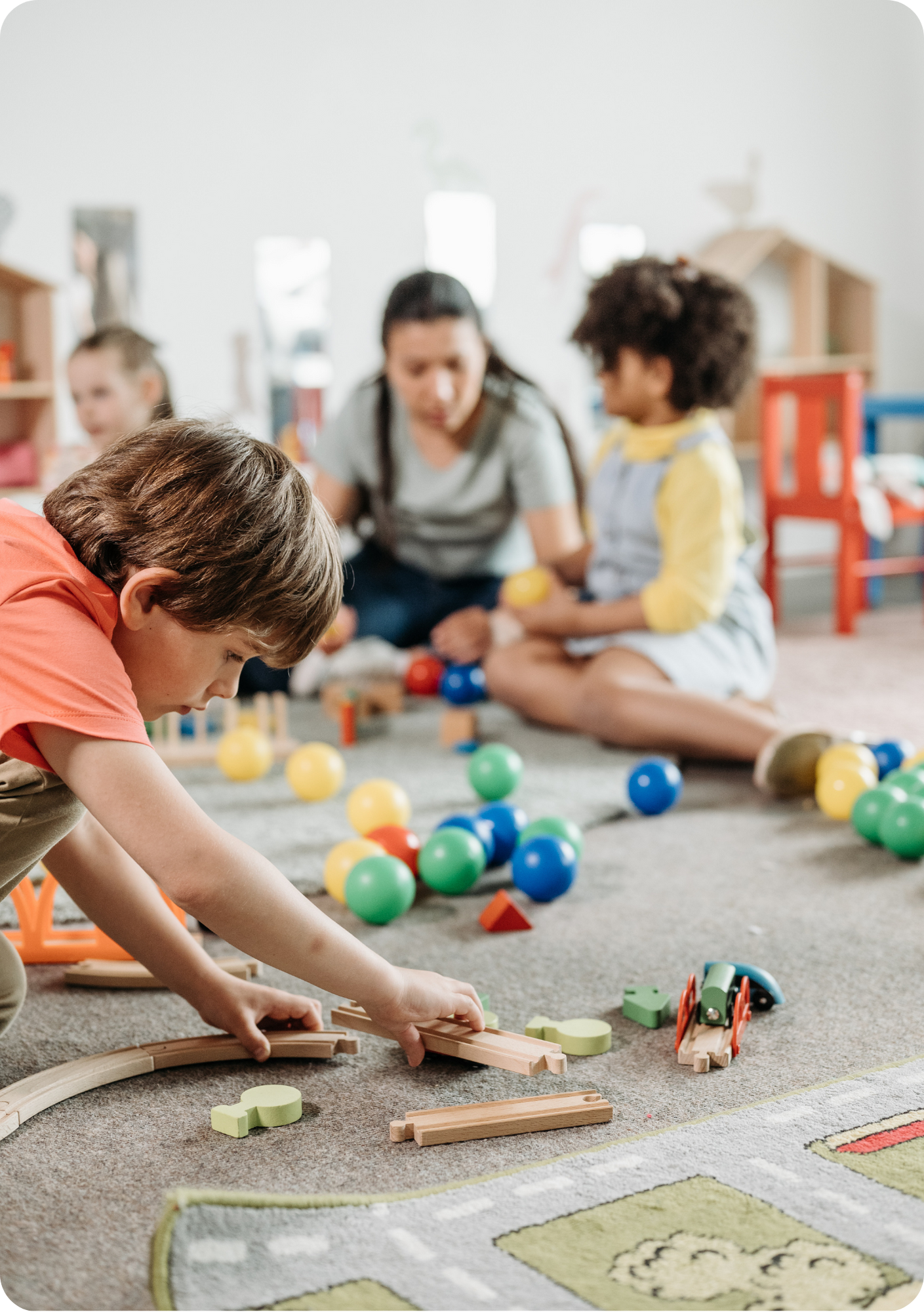
Children begin by choosing materials that match their interests, giving them ownership of the learning experience.
They explore ideas through hands-on interaction, which helps concepts feel real and memorable.
Teachers observe and join at key moments, adding vocabulary and asking questions that extend thinking.
Children experiment with different approaches, learning that problems can have more than one solution.
Peer interaction encourages cooperation, turn-taking, and shared discovery.
Reflection time allows children to describe what they did and understand why it worked.
Repeated experiences build confidence, independence, and a stronger willingness to try new challenges.
Over time, these steps develop critical thinking, communication skills, and a lifelong love of learning.
Building Independence With Plan–Do–Review
One of the most recognized features of Highscope Early Learning Curriculum is a simple yet powerful cycle that helps children take ownership of their development. During the planning stage, children decide what they want to accomplish and set an intention for their work. In the doing stage, they carry out those plans, making adjustments and solving problems along the way. During review, they revisit the experience, discussing results, challenges, and discoveries with teachers and classmates. Practiced every day, this process steadily strengthens independence, builds longer attention spans, and supports clearer, more confident communication.
How Creative Hands Early Learning Makes It Work?
Creative Hands Early Learning uses ongoing observation to understand each child’s interests, strengths, and readiness.
Teachers adapt materials and guidance so learning feels engaging, supportive, and achievable.
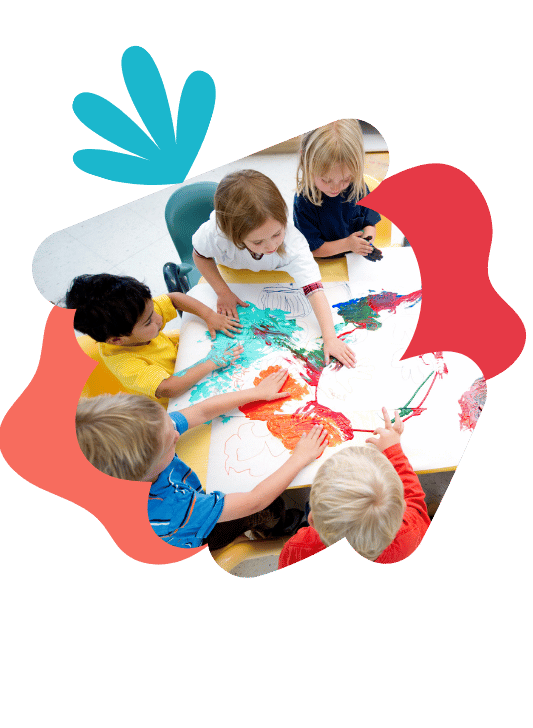
Why Choose HighScope Learning in Seattle, WA?
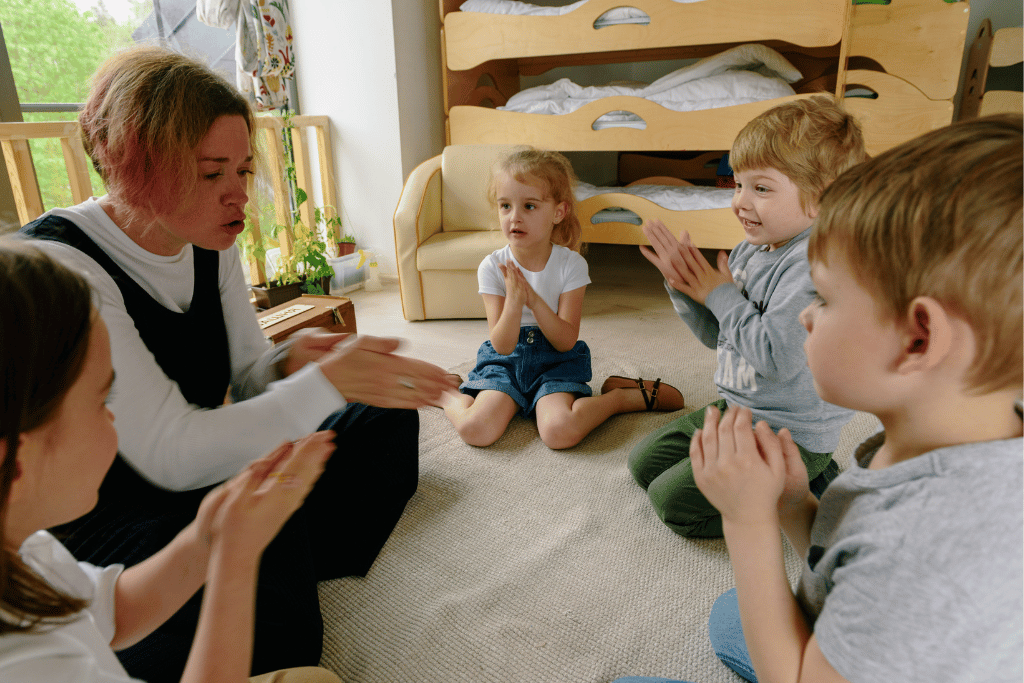
Parents consistently share powerful feedback after enrolling in HighScope programs. They often notice their children becoming more independent at home, communicating more clearly, and building stronger social skills with siblings and friends. Transitions into kindergarten tend to feel smoother, and children show genuine pride in what they accomplish each day. Curiosity grows naturally, and learning becomes something they truly enjoy rather than something they feel pressured to do.
Comparing HighScope to Traditional Preschool
Traditional Model vs HighScope Model
| Traditional Model | HighScope Model |
|---|---|
| Teacher leads most instruction | Children share responsibility |
| Focus on worksheets | Focus on experiences |
| Limited movement | Active exploration |
| Product-based | Process-based |
| Standard pace | Individual growth |
How to Recognize a High-Quality Program
- Children deeply involved in activities.
- Teachers interact warmly and respectfully.
- Organized learning areas that support independence.
- Visible planning routines guiding the day.
- Displays that document children’s progress and experiences.
Contact Us
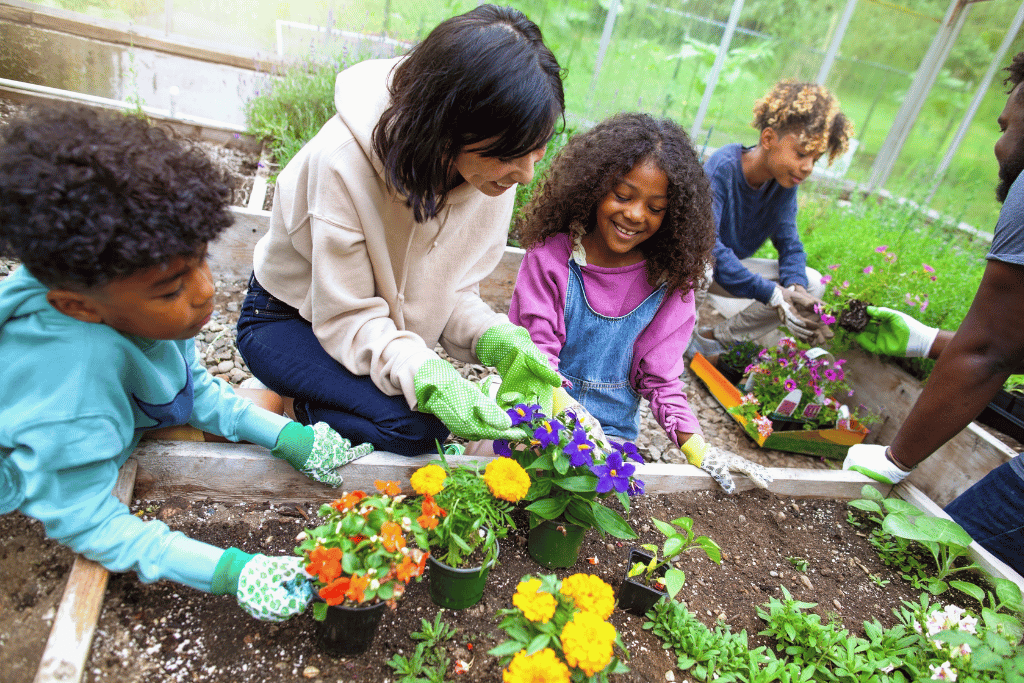
The best way to understand HighScope learning in Seattle, WA is to see it in action. Watching children confidently plan, explore, and share discoveries brings the philosophy to life. Highscope Early Learning Curriculums create classrooms where children are trusted thinkers, capable problem solvers, and active members of their community. For many Seattle families, that foundation makes all the difference. Contact us at Creative Hands Early Learning to schedule a tour, ask enrollment questions, or learn about availability. A visit can help you decide if this is the right beginning for your child’s educational journey.

Frequently Asked Questions
A research-based approach that centers on active participation and guided discovery.
It strengthens independence, communication, and social responsibility.
Yes, through hands-on exploration instead of drills.
Programs often incorporate outdoor experiences and local community awareness.
They receive training in observation and child-guided learning.
Yes. Predictable routines support emotional comfort.
Absolutely. Collaboration is strongly encouraged.
Copyright 2026 HighScope Early Learning Curriculums