
Early Childhood Success With HighScope Learning in New York City

What Is the HighScope Approach?
The model was developed by the HighScope Educational Research Foundation and is now used across the country in programs committed to active, participatory learning.
At its core, the philosophy believes:
Children learn best through direct, hands-on experiences.
Consistent routines create emotional security.
Adults support learning by guiding, not dominating.
Reflection strengthens understanding.
Social interaction is essential to growth.
What Active Learning Really Means
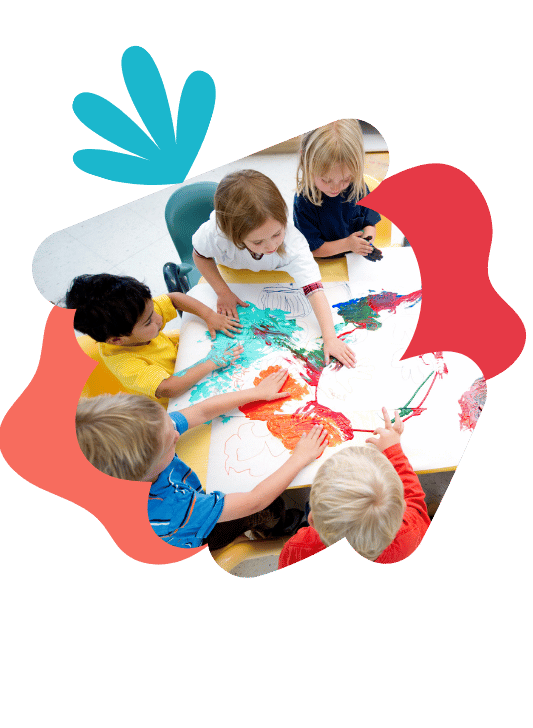
Active learning is more than free play. It is carefully planned engagement where children make choices, use materials, test ideas, and talk about outcomes. These small conversations stretch thinking in powerful ways.
Families seeking highscope education in Philadelphia often appreciate how naturally academic skills grow inside this framework.
Teachers observe constantly. They step in with questions like:
Inside a HighScope Classroom Environment
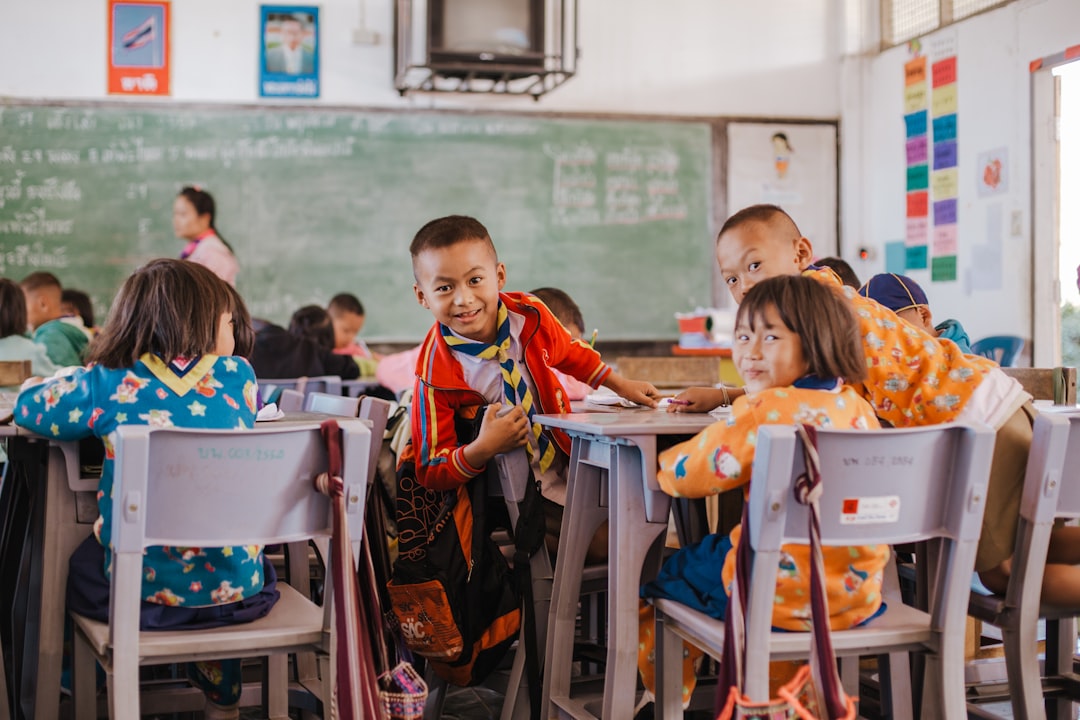
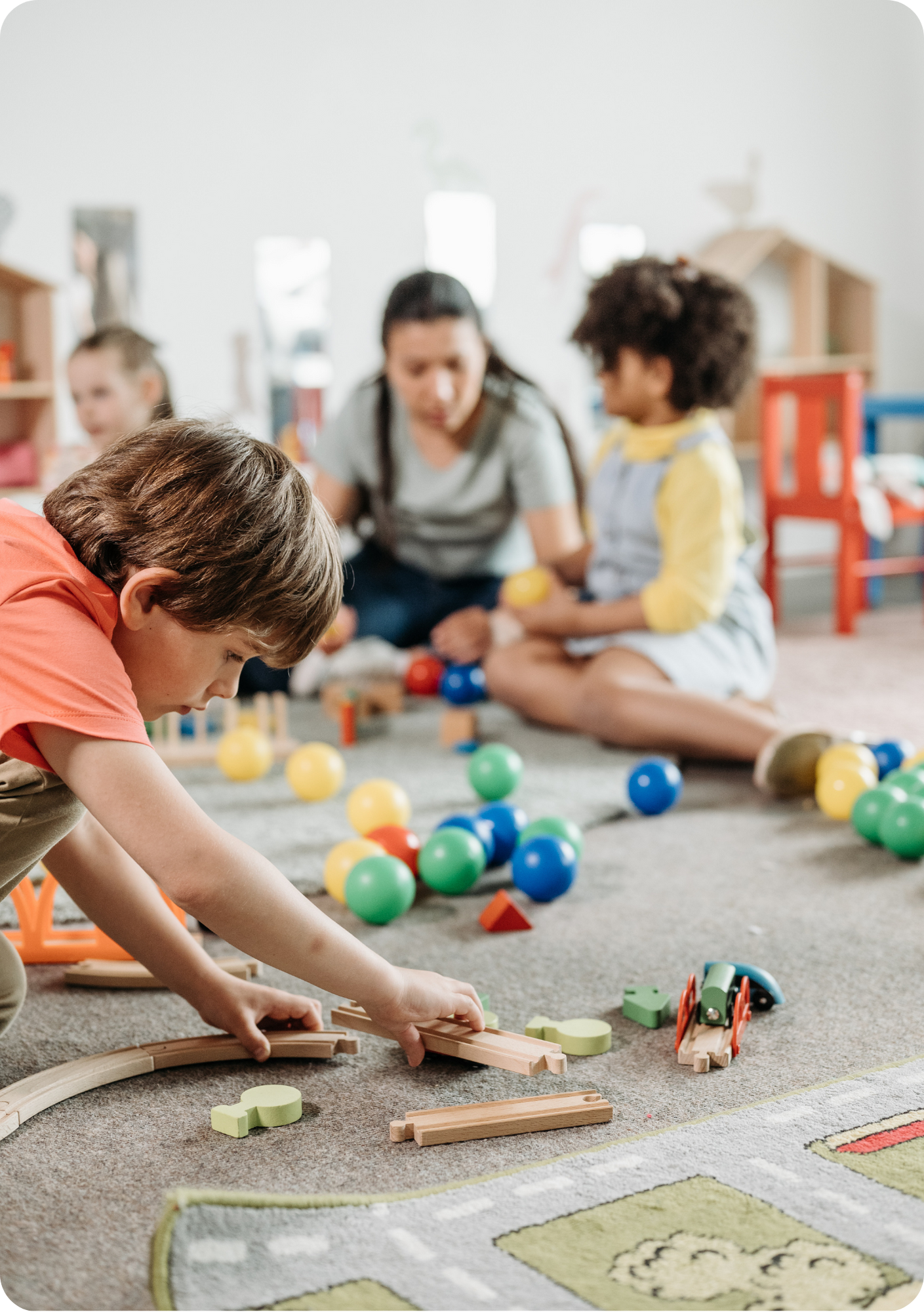
Classrooms are intentionally arranged into clearly defined areas. This setup supports independence — a major outcome parents hope for when choosing highscope learning in Philadelphia. Everything is placed within children’s reach. Labels and organization make cleanup and responsibility part of learning.
You might see:
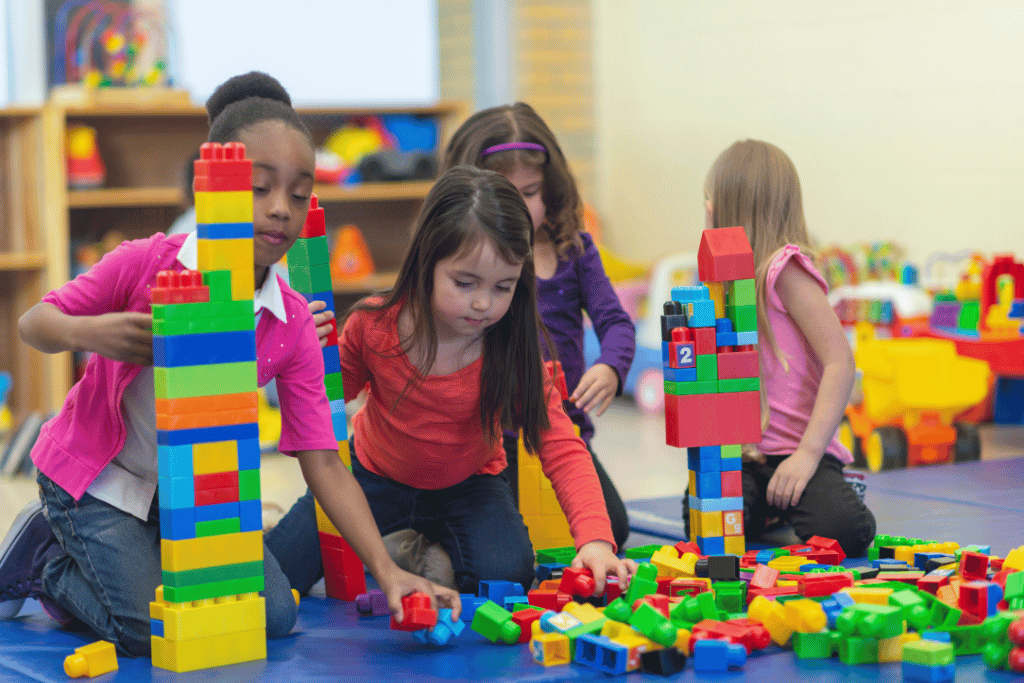
a block and construction zone,
art and creativity tables,
reading and quiet spaces,
pretend play corners,
sensory and science materials.
Daily Routine: Predictability Builds Confidence
A steady structure allows children to relax and focus. While individual schools may adjust timing, HighScope programs typically follow a consistent flow.
| Time of Day | Learning Focus | What Children Experience |
|---|---|---|
| Arrival | Transition & Belonging | Greetings, settling in |
| Plan Time | Intentional Thinking | Choosing activities |
| Work Time | Exploration | Hands-on learning |
| Recall/Review | Memory & Language | Sharing reflections |
| Small Group | Skill Building | Teacher-guided discovery |
| Large Group | Community | Music, movement, stories |
| Outdoor Play | Physical Growth | Running, climbing, games |
10 Examples of HighScope Curriculum Activities in Philadelphia
To someone observing for the first time, it may look like play. But each experience is connected to developmental goals within Highscope-Early Learning Curriculums.
- Building structures to understand balance and geometry
- Acting out stories to strengthen vocabulary
- Sorting objects to develop early math reasoning
- Painting to explore creativity and decision-making
- Cooking projects to practice sequencing
- Water play for scientific thinking
- Matching games for memory
- Music and rhythm for pattern recognition
- Cooperative board games for turn-taking
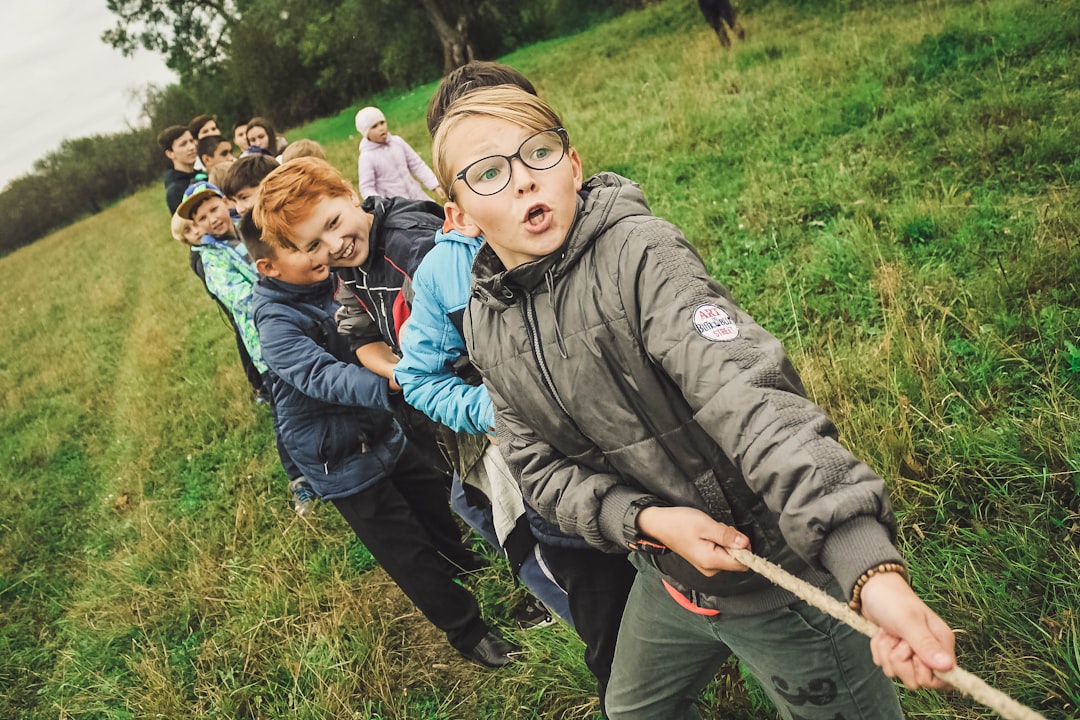
- Outdoor challenges that build coordination
The Plan–Do–Review Cycle Explained in Detail
This signature element makes the curriculum unique.
1. Plan
Children decide what they want to work on. They might say, “I will build a tall tower,” or “I want to paint my family.”
2. Do
They carry out their ideas, often adapting when obstacles appear.
3. Review
Later, they revisit the experience, strengthening recall, communication, and analytical thinking.
Parents frequently report that this process leads to noticeable growth in attention span and independence.
How Creative Hands Early Learning Uses the Model
At Creative Hands Early Learning, educators follow Highscope-Early Learning Curriculums while also personalizing experiences to match each classroom community. This responsive method ensures learning feels relevant instead of forced.
Teachers:
watch how children interact,
adjust materials,
note emerging interests,
and build future lessons from real observations.
Development Areas Supported by HighScope
HighScope does not separate learning into isolated subjects taught at different times of the day. Instead, development unfolds across many areas at once, allowing children to build skills naturally while they explore, communicate, and interact. During everyday experiences, children strengthen cognitive abilities such as reasoning, problem solving, and understanding cause and effect. At the same time, rich conversations with teachers and peers nurture language growth, expanding vocabulary, storytelling ability, and listening skills. Social learning is woven into nearly every moment. Children practice cooperation, learn how to negotiate roles, and begin to understand empathy as they work and play together. Physical development is equally present, whether children are building with blocks, moving to music, or climbing outdoors, all of which improve coordination, strength, and awareness of their bodies. Emotionally, they develop persistence, learn strategies to manage frustration, and gain confidence by completing tasks they planned themselves.
Why Choose HighScope Learning in Philadelphia?
When parents compare programs, several advantages consistently stand out.
Children Become Independent Thinkers
They learn to make plans and follow through.
Teachers Truly Know Each Child
Observation replaces guesswork.
Kindergarten Transition Is Smoother
Routines, listening, and collaboration are already familiar.
Learning Feels Positive
Children associate school with discovery, not pressure.
Families Stay Involved
Communication is ongoing and meaningful.
What to Look for When Selecting a Program
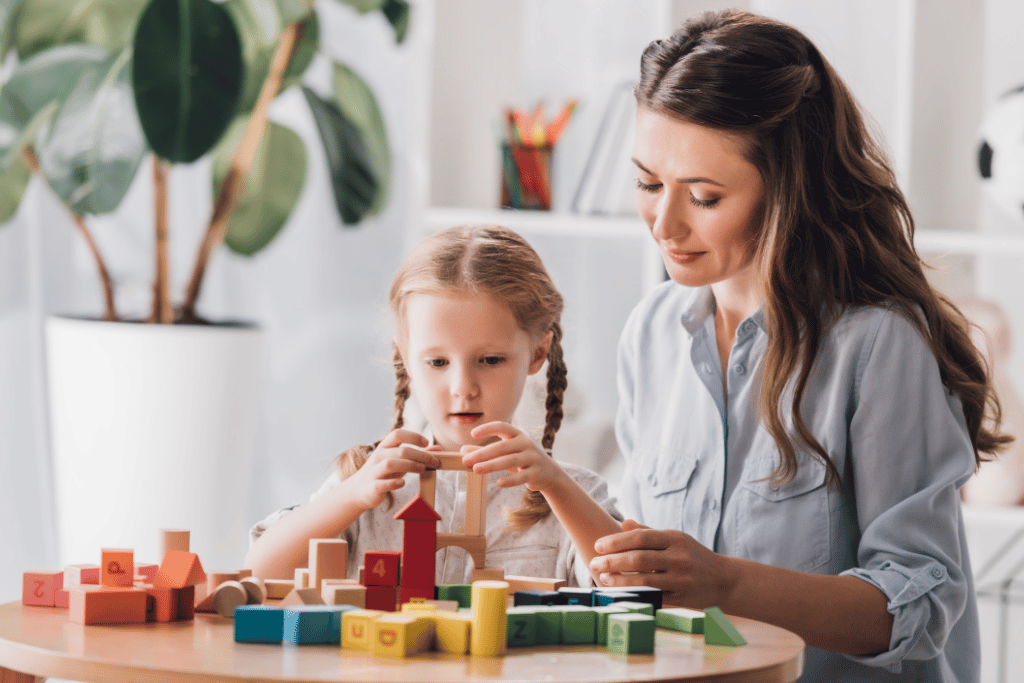
Not every preschool advertising HighScope applies it deeply. Strong programs usually demonstrate:
- Certified or well-trained staff
- Clearly organized interest areas
- Consistent daily schedules
- Authentic child work displayed
- Documentation of progress
- Warm, respectful adult-child interactions
- Opportunities for parent partnership
Comparing Traditional vs. HighScope Style Learning
| Feature | Traditional Model | HighScope Model |
|---|---|---|
| Teacher Role | Instructor | Learning partner |
| Child Role | Listener | Active participant |
| Curriculum | Predetermined | Adapted from interests |
| Assessment | Tests & products | Observation & growth |
| Classroom Feel | Adult-directed | Child-centered |
Long-Term Impact of the Approach
Research following children educated through HighScope methods has shown encouraging outcomes in academic success, employment stability, and social responsibility later in life.
While every child’s journey is unique, early habits of planning, problem-solving, and reflection tend to last.
Contact us
Choosing an early education program is a major decision. Families want warmth, safety, and preparation for the future. Highscope learning in Philadelphia offers a path where children grow academically while also becoming confident, capable individuals.
When classrooms follow Highscope-Early Learning Curriculums, curiosity becomes the engine for achievement. Children are not pushed ahead before they are ready — they are supported, challenged, and celebrated as they develop.

Frequently Asked Questions
Yes. Teachers create supportive opportunities for participation without pressure.
Absolutely. They are integrated into daily exploration rather than isolated drills.
Through detailed observation, notes, and developmental tracking.
Yes. The predictable routine provides security while still allowing choice.
Programs often reflect the diversity, culture, and experiences of local families.
Open communication is a central expectation.
The model is especially powerful in preschool and pre-K years.
Copyright 2026 HighScope Early Learning Curriculums