

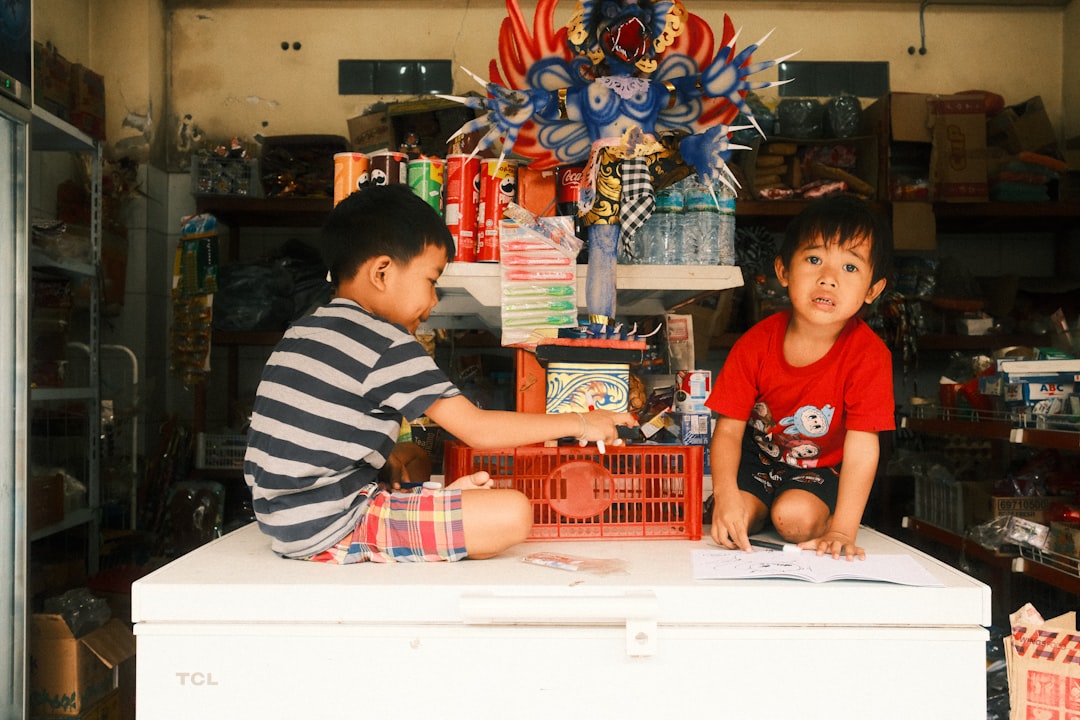
At Creative Hands Early Learning, we believe that children understand mathematics best when they can touch it, move it, build it, and talk about it. This belief sits at the heart of our approach to hands-on mathematics for deep learning, a method that goes far beyond worksheets and memorisation.
Young children are naturally curious. When mathematics is presented through real experiences instead of abstract numbers, learning becomes meaningful, enjoyable, and long-lasting. Our goal is not to teach children to “get the right answer,” but to help them understand why answers make sense.
What Is Hands On Mathematics for Deep Learning?
Hands-on mathematics for deep learning is an approach where children learn mathematical concepts through active participation rather than passive instruction. Instead of simply being told what numbers mean, children discover mathematical ideas by exploring materials, solving real problems, and reflecting on what they observe.
This approach allows children to:
- Explore numbers using physical objects
- Understand patterns through movement and play
- Develop problem-solving skills naturally
- Build confidence in their own thinking
At Creative Hands Early Learning, mathematics is not taught in isolation. It is woven into everyday experiences such as building, sorting, cooking, storytelling, and outdoor play.
Why Hands-On Learning Creates Deeper Understanding
Children learn best when multiple senses are involved. When they can see, touch, and manipulate materials, their brains form stronger connections. This is why hands-on mathematics for deep learning is far more effective than rote learning in early childhood.
Hands-on learning helps children:
- Make sense of abstract ideas
- Learn through trial and error
- Develop logical thinking
- Remember concepts for longer
For example, counting blocks while building a tower teaches far more than reciting numbers. Children learn about quantity, balance, comparison, and cause-and-effect — all at the same time.
How Creative Hands Early Learning Teaches Mathematics
At Creative Hands Early Learning, mathematics is part of daily life, not a scheduled task. Educators observe children’s interests and gently introduce mathematical ideas through purposeful activities.
Everyday Math Experiences
Children explore mathematics through:
- Sorting and classifying objects
- Measuring during cooking or water play
- Comparing sizes during construction play
- Recognising patterns in music and movement
These experiences help children understand that mathematics exists everywhere, not just in books.
Guided Exploration
Educators ask thoughtful questions such as:
- “How did you know that was bigger?”
- “What happens if we add one more?”
- “Can you find another way to solve it?”
This encourages children to explain their thinking and strengthens deep understanding.
Benefits of Hands On Mathematics for Deep Learning
1. Builds True Understanding
Children learn why numbers work the way they do, not just how to use them.
2. Develops Problem-Solving Skills
Open-ended activities encourage children to think, test ideas, and try again.
3. Strengthens Confidence
Children feel capable when they discover answers on their own.
4. Supports Language Development
Talking about mathematical ideas improves vocabulary and communication.
5. Encourages a Positive Relationship with Math
Children see mathematics as enjoyable rather than intimidating.
At Creative Hands Early Learning, these benefits are visible every day as children explore concepts naturally and confidently.
Why Choose Creative Hands Early Learning?
Choosing the right early learning environment shapes how children feel about learning for years to come. Families choose Creative Hands Early Learning because we prioritise understanding, confidence, and emotional safety alongside academic development.
Child-Centred Learning
We respect each child’s pace and learning style. No pressure, no rushing.
Experienced Educators
Our educators understand how to guide learning without taking control away from the child.
Real Learning, Not Rote Teaching
We focus on thinking, exploring, and understanding — not memorisation.
Safe and Supportive Environment
Children feel comfortable taking risks, asking questions, and making mistakes.
Strong Foundations for School
Children develop the thinking skills they need for future academic success.
How Hands-On Mathematics Prepares Children for School
Children who experience hands-on mathematics for deep learning enter school with strong foundational skills. They are not only familiar with numbers, but they also understand relationships, patterns, and problem-solving strategies.
They can:
- Explain how they found an answer
- Work through challenges independently
- Approach learning with confidence
- Adapt to new mathematical concepts more easily
At Creative Hands Early Learning, we focus on preparing children for school and for lifelong learning, not just the next classroom.
Our Philosophy at Creative Hands Early Learning
We believe children are capable learners. When given time, trust, and the right environment, they naturally develop strong thinking skills.
Mathematics should feel:
- Meaningful
- Engaging
- Relevant
- Enjoyable
That is why Creative Hands Early Learning uses hands-on experiences as the foundation of mathematical understanding.
Frequently Asked Questions (FAQs)
What age group is hands-on mathematics suitable for?
Hands-on mathematics is ideal for early childhood and can be adapted for toddlers through to preschool-aged children.
Will my child still learn numbers and counting?
Yes. Children learn numbers, counting, and basic operations, but through meaningful activities rather than memorisation.
Is this approach suitable for children who struggle with math?
Absolutely. Hands-on learning helps children who find traditional methods challenging by making learning visual and practical.
How do educators assess progress?
Educators observe children’s play, conversations, and problem-solving to understand their development.
Does hands-on learning prepare children for formal schooling?
Yes. It builds strong thinking, reasoning, and confidence — essential skills for school success.
The Long-Term Impact of Hands-On Mathematics
Children who experience hands on mathematics for deep learning often:
- Feel confident approaching challenges
- Enjoy learning rather than avoiding it
- Think critically and creatively
- Adapt easily to new concepts
These are skills that benefit children well beyond early education.
Connect With Creative Hands Early Learning
If you are looking for an early learning environment that values understanding over memorisation and confidence over pressure, Creative Hands Early Learning is here for you.